
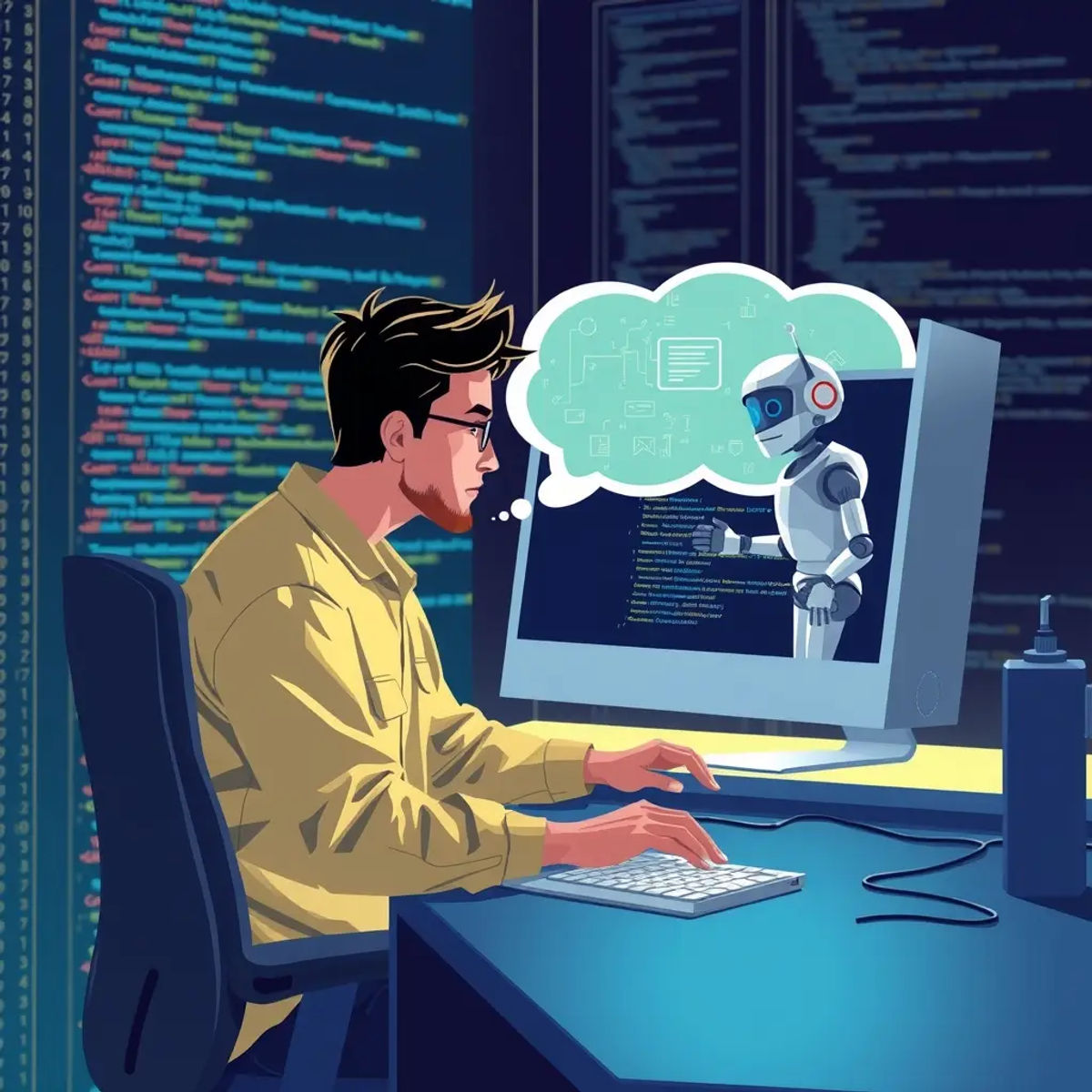
The use of AI is becoming increasingly prevalent in various industries, with significant advancements in AI capabilities and applications. Engineers and researchers are relying on AI tools for coding, research, and content creation, with notable improvements in productivity and efficiency. For instance, coding with AI tools has become more common, with tools like GitHub Copilot and Claude Code automating tasks and providing suggestions. According to Ben Stolovitz, a research engineer at Salesforce AI Research, AI has transformed the way he works, enabling him to build and test features quickly and efficiently.
What happened
In October 2026, Google announced several AI updates, including the release of Gemini 4 Argon and Carbon, and the introduction of Genie 4 for real-time interactive world simulation. Gemini 4 Argon is a frontier reasoning model that has been rolled out globally for complex coding, financial analysis, and legal workflows, while Gemini 4 Carbon is a stronger model with state-of-the-art cybersecurity and long-horizon capabilities. Additionally, the TechCrunch Founder Summit 2026 took place, featuring discussions on AI innovation and enterprise growth. The summit included sessions on fundraising, product-market fit, and AI innovation, with speakers from prominent companies such as Toast and Techable Ventures.
Technical analysis
The use of AI in coding is becoming more widespread, with tools like Claude Code allowing engineers to automate tasks and focus on higher-level work. Claude Code uses a combination of natural language processing and machine learning algorithms to generate code, and has been used by Ben Stolovitz to build and test features quickly and efficiently. However, there are also challenges associated with using AI in coding, such as the potential for poorly functioning code and the need for human oversight and review. Furthermore, Gemini 4 Argon and Carbon demonstrate the rapid progress being made in AI capabilities, with significant implications for various industries. The use of AI in coding also raises questions about the role of human coders and the potential for AI to replace them.
Why it matters
The increasing use of AI in coding and other applications has significant implications for productivity, efficiency, and innovation. As AI capabilities continue to advance, we can expect to see even more widespread adoption of AI tools in various industries. However, it is also important to address the challenges associated with AI, such as ensuring the quality and reliability of AI-generated code. The use of AI in coding also has the potential to transform the way companies approach software development, with AI-powered tools enabling faster and more efficient development of software applications. Additionally, the use of AI in coding raises important questions about the future of work and the potential for AI to replace human coders.
The SoftCodeX view
We expect the use of AI in coding and other applications to continue growing, with significant benefits for productivity and innovation. However, it is crucial to address the challenges associated with AI, such as ensuring the quality and reliability of AI-generated code, and to develop strategies for mitigating potential risks. As Ben Stolovitz notes, a personal AI policy can help guide the use of AI in coding and other applications, and ensure that AI is used in a way that is transparent, accountable, and beneficial to society.
What to do now
Engineering and business teams should consider the following steps:
- Explore the use of AI tools in coding and other applications to improve productivity and efficiency.
- Develop strategies for ensuring the quality and reliability of AI-generated code.
- Stay up-to-date with the latest advancements in AI capabilities and applications.
- Attend industry events, such as the TechCrunch Founder Summit, to learn from experts and network with peers.
- Consider implementing AI policies to guide the use of AI in coding and other applications.
- Invest in education and training programs to help developers and engineers learn how to work with AI tools and develop the skills needed to succeed in an AI-driven industry.
- Develop strategies for mitigating the potential risks associated with AI, such as job displacement and bias in AI decision-making.
- Encourage transparency and accountability in the development and use of AI tools, and ensure that AI is used in a way that is beneficial to society.
Frequently asked questions
What are the latest AI updates from Google?
Google announced several AI updates in October 2026, including the release of Gemini 4 Argon and Carbon, and the introduction of Genie 4 for real-time interactive world simulation.
How is AI being used in coding?
AI is being used in coding to automate tasks, provide suggestions, and even write code, with tools like GitHub Copilot and Claude Code.
What are the benefits and challenges of using AI in coding?
The benefits of using AI in coding include increased productivity and efficiency, while the challenges include the potential for poorly functioning code and the need for human oversight and review.



Loading comments…